Clean Roots Agriculture
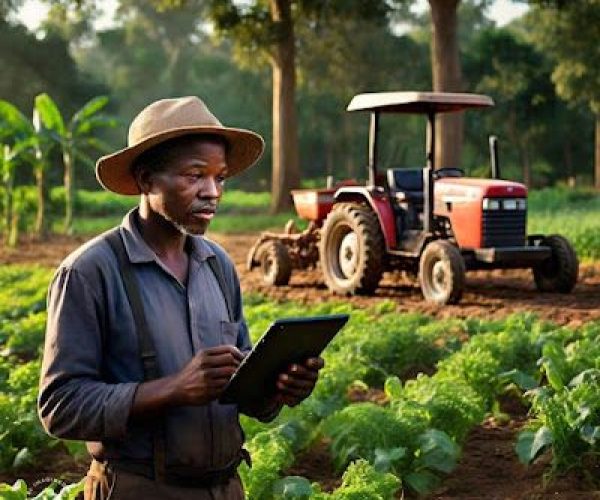
Agriculture remains the backbone of many economies in Africa, including Tanzania, and is deeply connected to community well-being, food security, and cultural heritage. However, agriculture is increasingly under threat from climate change, which disrupts rainfall patterns, increases the frequency of droughts, and introduces new pests and diseases. Farmers, especially smallholders, often face declining productivity, rising costs, and uncertainty about the future.
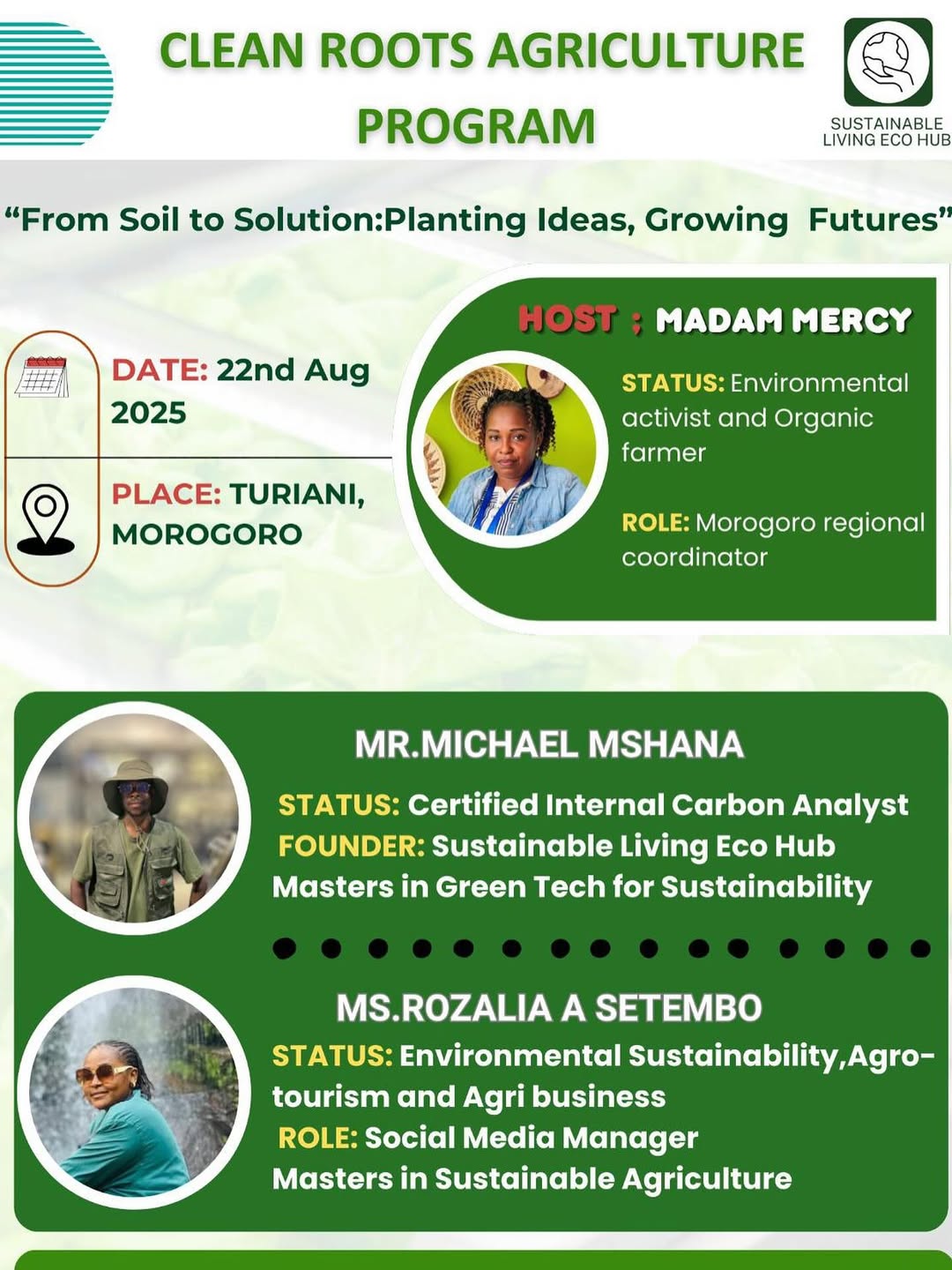
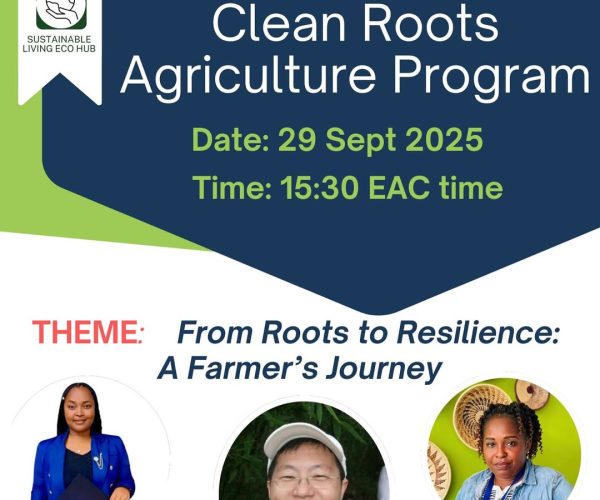
In response to these challenges, the Sustainable Living Eco Hub created the Clean Roots Agriculture Program (CRAP). This program is designed to equip farmers, youth, and local communities with the skills, knowledge, and tools to practice farming that is resilient, sustainable, and environmentally responsible.
The Clean Roots Agriculture Program focuses on four main objectives
This program acts as a bridge between traditional farming knowledge and modern agricultural science, creating a unique blend of practices that are locally adaptable, environmentally friendly, and economically viable

Clean Roots Agriculture
Agriculture remains the backbone of many economies in Africa, including Tanzania, and is deeply connected to community well-being, food security, and cultural heritage. However, agriculture is increasingly under threat from climate change, which disrupts rainfall patterns, increases the frequency of droughts, and introduces new pests and diseases. Farmers, especially smallholders, often face declining productivity, rising costs, and uncertainty about the future.
In response to these challenges, the Sustainable Living Eco Hub created the Clean Roots Agriculture Program (CRAP). This program is designed to equip farmers, youth, and local communities with the skills, knowledge, and tools to practice farming that is resilient, sustainable, and environmentally responsible.
The Clean Roots Agriculture Program focuses on four main objectives
This program acts as a bridge between traditional farming knowledge and modern agricultural science, creating a unique blend of practices that are locally adaptable, environmentally friendly, and economically viable